Anyone working in HR knows the reality: sourcing candidates is rarely the hardest part of the job anymore. The real complexity begins once a CV lands on your desk and you need to understand what actually sits behind it.
Education, certificates, short courses from institutions worldwide all look impressive on paper. In reality, HR teams spend a significant amount of time verifying whether the skills behind those claims are accurate, comparable, and relevant. This is where time disappears and administrative risk builds up.
At the same time, AI has made it effortless to generate polished CVs, while learning paths have become increasingly fragmented and global. For organizations hiring at scale or across borders, manual verification is no longer sustainable.
This is where digitally verifiable credentials move from a technical concept to a practical tool that protects both your time and your hiring standards.
 HR leaders have real influence here. By being explicit about the kind of proof you value, you reduce friction for your team and raise the overall quality of information you work with. The infrastructure already exists.
The shift starts when unverifiable claims are no longer treated as sufficient input for hiring decisions.
We’d like to hear from those working on the frontline:
HR leaders have real influence here. By being explicit about the kind of proof you value, you reduce friction for your team and raise the overall quality of information you work with. The infrastructure already exists.
The shift starts when unverifiable claims are no longer treated as sufficient input for hiring decisions.
We’d like to hear from those working on the frontline:
Faster hiring without sacrificing reliability
When credentials are issued in a digitally verifiable format, verification is no longer a separate, manual step. It becomes part of the application flow. Instead of chasing PDF scans, sending follow-ups, calling organizations to confirm records, or interpreting unfamiliar documents, authenticity is confirmed instantly at the source. The information is structured and machine-readable, which shortens hiring cycles without lowering standards. Reliability is built into the data, allowing the process to move faster without becoming less rigorous.
Clarity when evaluating unfamiliar qualifications
Evaluating qualifications from unfamiliar institutions is one of the more demanding parts of modern recruitment. Uncertainty here often slows decisions or pushes teams toward familiar names, even when that isn’t intentional. Digitally verifiable credentials shift the focus from reputation to evidence. At Velocert, credential issuance aligns with EU-recognised standards such as Europass and European Digital Credentials (EDC), and can reference ESCO skills to ensure consistent skill terminology. This creates a common language for qualifications and competencies, especially important as hiring becomes more international and skills-based. You don’t need to understand every grading system or institutional context. You need proof that can be verified instantly and skills that are described in a way that is comparable and transparent across borders.From document checking back to talent work
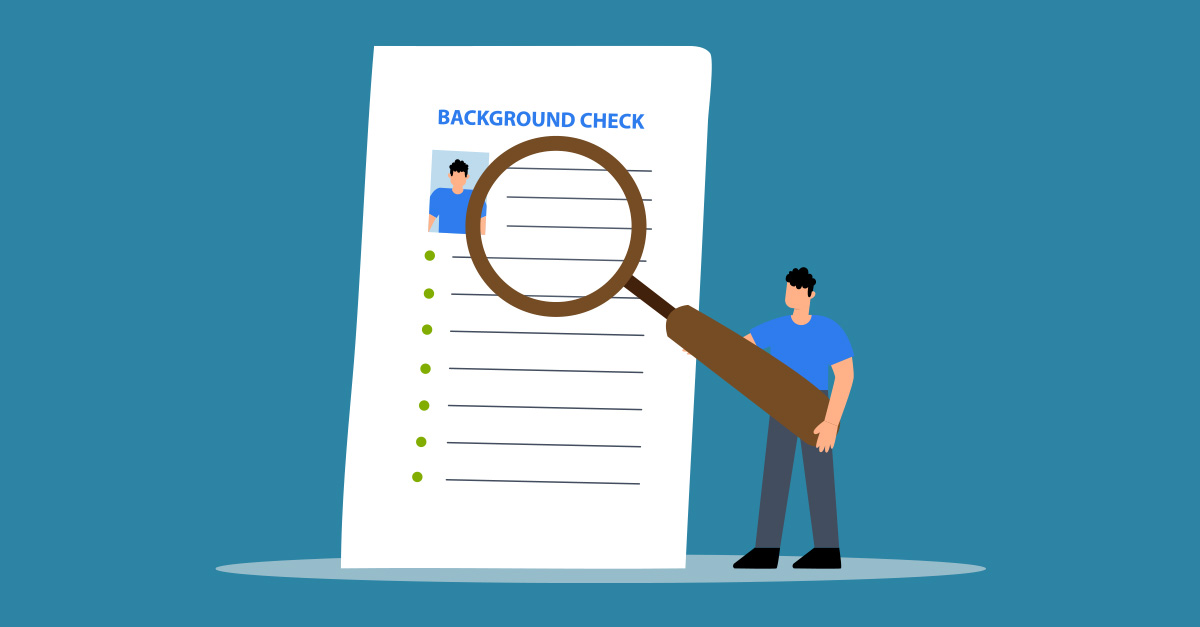
Manual background checks consume time and gradually erode professional judgment. Every hour spent validating documents is an hour not spent understanding the person behind them. When authenticity is resolved automatically, HR teams can focus on what truly matters: experience, potential, motivation, and fit. Evaluation becomes more balanced, as candidates are assessed on what they can clearly demonstrate, not on how well they package information or how familiar their institutions appear. It moves the role away from administrative control and back toward strategic talent acquisition.Why HR sets the direction
Hiring ecosystems evolve when expectations evolve. As long as traditional document-based proofs remain sufficient for employers, issuers have little reason to adopt more transparent and verifiable ways of issuing credentials.
HR leaders have real influence here. By being explicit about the kind of proof you value, you reduce friction for your team and raise the overall quality of information you work with. The infrastructure already exists.
The shift starts when unverifiable claims are no longer treated as sufficient input for hiring decisions.
We’d like to hear from those working on the frontline:
- Which part of background checking takes the most time in your process today?
- Which tools or approaches have helped, and where do gaps remain?